

In an era where space exploration is more accessible than ever, orbital launch systems play a crucial role in propelling humanity beyond Earth’s atmosphere. These complex yet fascinating technologies enable satellites, cargo, and even astronauts to reach orbit, paving the way for advancements in communication, science, and exploration. With private companies and government agencies racing to innovate, understanding the mechanics and significance of these systems has never been more essential.
From traditional rocket launches to cutting-edge reusable systems, the landscape of orbital launch technology is rapidly evolving. As the demand for space-based services grows, so does the need for efficient and reliable launch solutions. This article delves into the various types of orbital launch systems, their operational principles, and their impact on the future of space travel.
Overview of Orbital Launch Systems
Orbital launch systems serve as crucial platforms for placing payloads into orbit. These systems typically utilize large rockets, propelled by powerful engines, to overcome Earth’s gravitational pull. Each launch system comprises multiple components, including the launch vehicle, ground support equipment, and mission control.
Types of Orbital Launch Systems
- Expendable Launch Systems: These systems operate once and then become non-reusable after each launch. They feature single-use rockets designed to deliver payloads to orbit. Examples include the Atlas V and Delta IV rockets.
- Reusable Launch Systems: Reusable systems, like SpaceX’s Falcon 9, recover and refurbish their components for multiple flights. This innovation significantly reduces launch costs and increases efficiency.
- Hybrid Launch Systems: Hybrid systems combine elements of expendable and reusable systems. They may feature reusable boosters while utilizing expendable upper stages. The Virgin Galactic SpaceShipTwo exemplifies such a system.
Operational Principles
Orbital launch systems function through a series of stages during the launch sequence. Initial ignition begins the ascent, followed by stage separation as fuel depletes. After achieving the appropriate altitude, the payload is deployed into its designated orbit. Various propulsion technologies, such as solid or liquid rocket fuels, drive these systems, influencing performance and reliability.
Importance for Space Exploration
Orbital launch systems play a vital role in advancing space exploration. They enable the deployment of satellites for communications, Earth observation, and scientific research. Additionally, crewed missions to the International Space Station and beyond rely on these systems for astronaut transportation.
Future Trends
The future of orbital launch systems trends toward increased automation, cost reduction, and sustainability. Emerging technologies, such as electric propulsion and autonomous flight, promise to enhance performance. A growing number of private companies are entering the launch market, fostering competition and innovation in this dynamic sector.
Types of Orbital Launch Systems
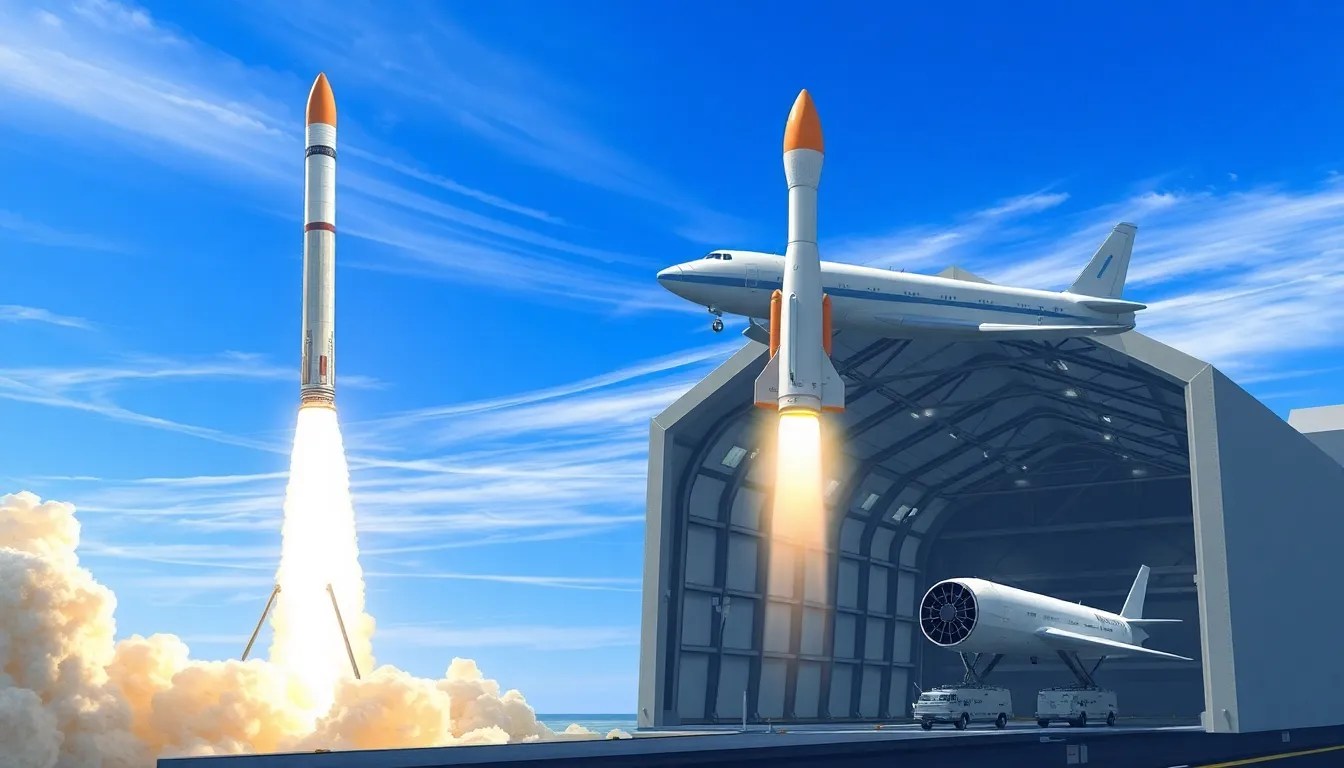
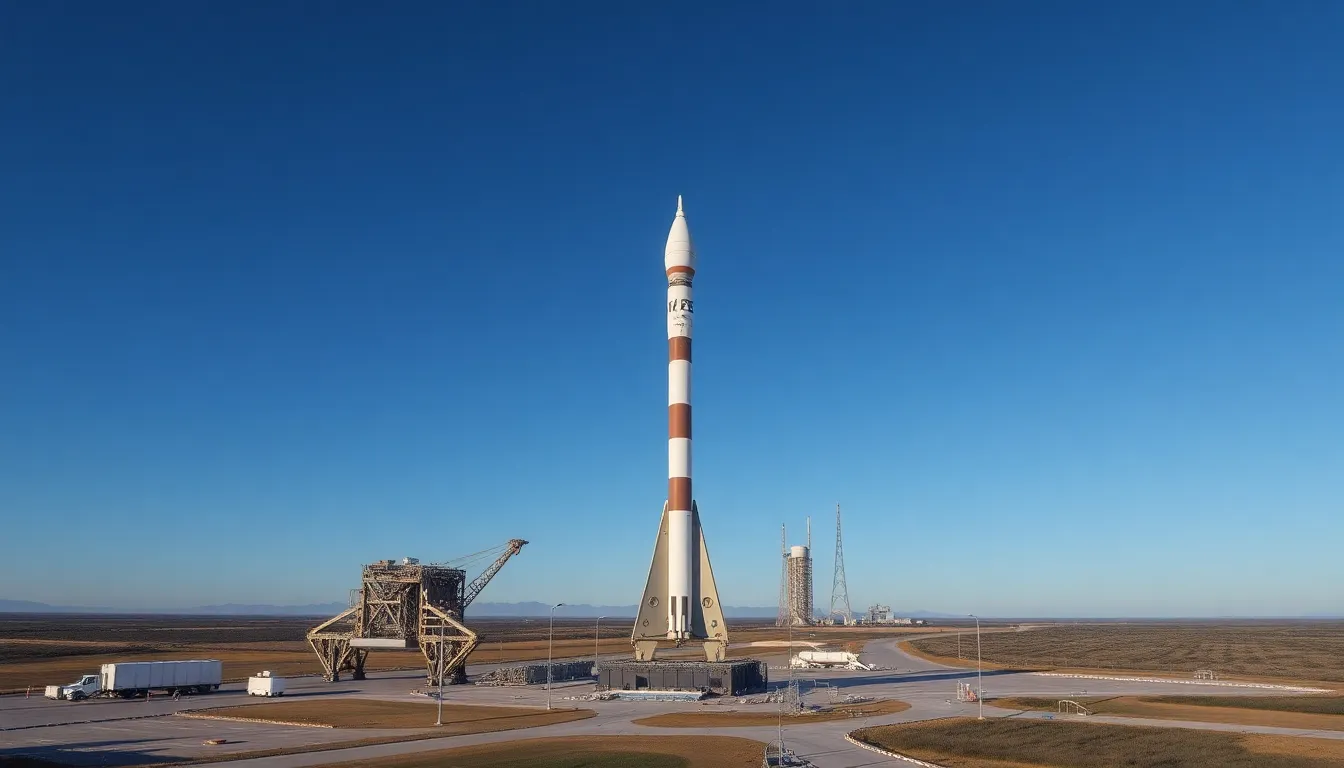
Orbital launch systems categorize into three main types: expendable launch systems, reusable launch systems, and hybrid systems. Each type plays a unique role in the landscape of space exploration.
Expendable Launch Systems
Expendable launch systems (ELS) consist of rockets that are used only once for each mission. During the launch, these systems deliver payloads to orbit before falling back to Earth, where they are not recoverable. Notable examples include the Atlas V and Delta IV rockets, both developed by United Launch Alliance (ULA).
| Feature | Expendable Launch Systems |
|---|---|
| Usage Frequency | Low, single-use per launch |
| Recovery Capability | None |
| Cost Efficiency | Higher per launch |
| Payload Capacity | High, depending on design |
Reusable Launch Systems
Reusable launch systems (RLS) are engineered to return to Earth after a flight. These systems significantly reduce costs by allowing multiple launches using the same hardware. SpaceX’s Falcon 9 exemplifies this technology, featuring first-stage boosters that land back on Earth, either on land or on drone ships.
| Feature | Reusable Launch Systems |
|---|---|
| Usage Frequency | High, multiple uses possible |
| Recovery Capability | Yes, typically via landing |
| Cost Efficiency | Lower per launch |
| Payload Capacity | Moderate, specific to design |
Hybrid systems, like Virgin Galactic’s SpaceShipTwo, combine elements of both ELS and RLS, offering unique advantages in certain mission profiles. Each category contributes to the evolution of space access and technologies necessary for future missions.
Key Components of Orbital Launch Systems
Key components of orbital launch systems enable successful missions to space. Understanding these elements is crucial for grasping how these systems function.
Launch Vehicles
Launch vehicles serve as the primary means for transporting payloads into orbit. They consist of multiple stages, each designed to optimize performance and efficiency. Stages separate during ascent to lighten the vehicle, improving fuel efficiency. For instance:
- First Stage: Provides the initial thrust to break Earth’s gravitational pull. Major examples include the SpaceX Falcon 9 and the United Launch Alliance Atlas V.
- Second Stage: Continues propulsion after the first stage detaches, placing payloads into desired orbits. Rocket bodies like the Delta IV Heavy showcase advanced second-stage designs.
- Payload Fairing: Protects the payload during atmospheric flight, reducing aerodynamic drag until the vehicle reaches space.
Ground Support Equipment
Ground support equipment plays a vital role in preparing launch vehicles for missions. This infrastructure encompasses various systems that ensure launch readiness. Key components include:
- Launch Pads: Serve as the platforms where vehicles are assembled and launched. They incorporate fueling systems and structural supports to secure rockets.
- Vibration Test Stands: Ensure vehicles withstand launch conditions by simulating vibrations. Testing verifies structural integrity and performance under stress.
- Telemetry and Communication Systems: Facilitate data transmission between the launch vehicle and ground control. These systems track vehicle performance and provide real-time updates during ascent.
Each component works together seamlessly to enable efficient launch operations and successful missions to orbit.
Current Landscape of Orbital Launch Systems
The landscape of orbital launch systems reveals a dynamic and competitive environment, shaped by advancements in technology and the involvement of multiple key players in the industry.
Leading Companies in the Industry
- SpaceX: Dominates the market with its Falcon 9 and Falcon Heavy rockets. SpaceX emphasizes reusability and cost efficiency, achieving significant reductions in launch prices.
- United Launch Alliance (ULA): Operates the Atlas V and Vulcan Centaur rockets. ULA focuses on reliability and is a key provider for government missions.
- Blue Origin: Known for its New Shepard suborbital vehicle and New Glenn orbital rocket. Blue Origin aims to make access to space more affordable and sustainable.
- Northrop Grumman: Offers the Antares rocket for resupply missions to the International Space Station. Northrop Grumman develops advanced propulsion technologies.
- Rocket Lab: Targets small satellite deployment with its Electron rocket. Rocket Lab provides dedicated launch services for small payloads.
- Virgin Orbit: Utilizes air-launch systems via LauncherOne, allowing for flexible launch profiles and rapid turnarounds.
Recent Innovations and Developments
- Reusable Technologies: Companies like SpaceX lead in reusability, enhancing launch frequency and reducing costs. Falcon 9’s first stage returns for landings and reuse.
- Spaceports: The establishment of new spaceports worldwide, including those in the U.S., Europe, and Asia, facilitates varied launch locations and mission types.
- Advanced Propulsion: Development of novel propulsion systems, including electric and hybrid engines, contribute to improved efficiency and capability.
- Automation and AI: Increased use of automation and artificial intelligence in launch operations streamlines processes and enhances safety measures.
- Sustainability Initiatives: Industry focus shifts toward sustainable practices, such as developing eco-friendly fuels and reducing space debris.
- Global Collaboration: Partnerships among private companies and governmental agencies enhance shared resources and combined expertise, accelerating progress in space exploration.
Future Trends in Orbital Launch Systems
Emerging developments in orbital launch systems highlight several future trends reshaping the space industry. Increased automation plays a crucial role, enhancing efficiency and safety during launch operations. Automated systems streamline processes such as pre-launch checks and performance monitoring, enabling quicker turnaround times for subsequent launches.
Innovative propulsion technologies are gaining traction. While conventional rocket fuels remain prevalent, new alternatives, including green propellants, promise reduced environmental impact. These eco-friendly options mitigate harmful emissions and contribute to sustainable space exploration.
The industry sees a marked shift toward reusability. Companies such as SpaceX and Blue Origin push the boundaries of launch systems designed for multiple flights. This trend results in significant cost reductions, revolutionizing access to orbit for various payloads, from satellites to human exploration missions.
Small satellite deployment continues to accelerate. Dedicated small launch vehicles emerge to cater to the growing demand for launching smaller satellites into low Earth orbit (LEO). Companies like Rocket Lab and Relativity Space target this niche, offering tailored services that optimize launch schedules and costs.
International collaboration expands, driving advancements in orbital launch systems. Partnerships between private companies and governments facilitate shared knowledge and resources, enhancing capabilities in satellite deployment, research, and exploration. This collaborative approach fosters a more unified global effort in space endeavors.
Finally, the development of new spaceports and launch infrastructures supports the increasing launch frequency. By establishing launch facilities in diverse geographic locations, companies can minimize logistical constraints and offer flexible launch windows to meet varying demands for access to space. Through these combined trends, the future of orbital launch systems promises efficient, sustainable, and collaborative advancements in space exploration.