
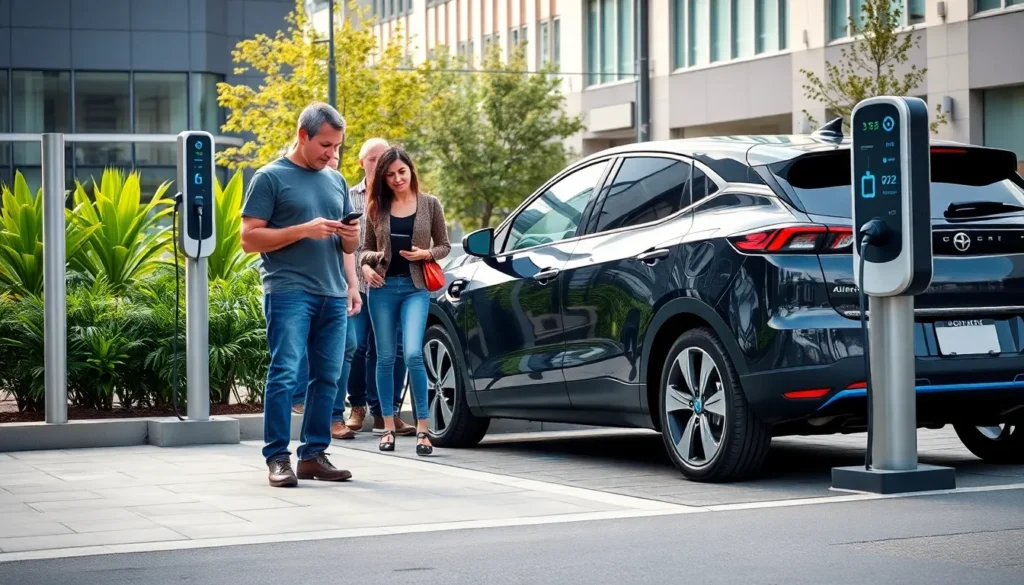
The rise of electric vehicles has transformed the way we think about transportation and energy consumption. As more drivers make the switch to electric, the demand for efficient and innovative charging solutions has skyrocketed. Smart charging solutions are at the forefront of this revolution, offering a seamless blend of convenience and sustainability.
These advanced systems not only optimize charging times but also integrate with renewable energy sources, reducing reliance on fossil fuels. By leveraging technology to manage energy distribution, smart charging solutions enhance the overall efficiency of the electric grid. As the world moves towards a greener future, understanding these cutting-edge technologies becomes essential for both consumers and businesses alike.
Overview of Smart Charging Solutions
Smart charging solutions enhance electric vehicle (EV) charging by optimizing charging times and managing energy flow. These systems utilize advanced technology to connect users with charging stations, allowing for real-time adjustments based on energy demand and grid conditions.
Key Features of Smart Charging Solutions:
- Dynamic Load Management: Smart charging solutions dynamically manage the energy load, ensuring that the electrical grid maintains stability while minimizing costs. They adjust charging rates based on grid demand and energy availability.
- Renewable Energy Integration: Smart charging systems integrate renewable energy sources, such as solar or wind, enabling users to charge EVs using clean energy. This feature promotes sustainability and decreases reliance on fossil fuels.
- Demand Response Capability: Smart charging solutions participate in demand response programs. They can reduce or shift charging during peak demand periods, helping to stabilize the grid and lower energy costs for users.
- User-Friendly Interfaces: Smart charging solutions often come with user-friendly interfaces. These applications allow users to monitor charging sessions, schedule charging times, and access energy usage data.
- Grid Communication: Smart charging systems facilitate communication between EVs, charging stations, and the electric grid. This integration enhances overall grid efficiency and supports more effective energy distribution.
Benefits of Smart Charging Solutions:
- Cost Savings: Users save on electricity costs by charging during off-peak hours and leveraging renewable energy sources.
- Environmental Impact Reduction: Smart charging promotes the use of clean energy, significantly reduces greenhouse gas emissions, and supports sustainability goals.
- Enhanced User Experience: Smart charging solutions provide convenient access to charging stations and valuable insights into energy consumption patterns.
Smart charging solutions represent a crucial advancement in the EV ecosystem. These systems optimize energy usage, support renewable energy integration, and offer a sustainable pathway for electric vehicle adoption. As technological developments continue, smart charging solutions will play a pivotal role in shaping the future of transportation and energy consumption.
Types of Smart Charging Solutions
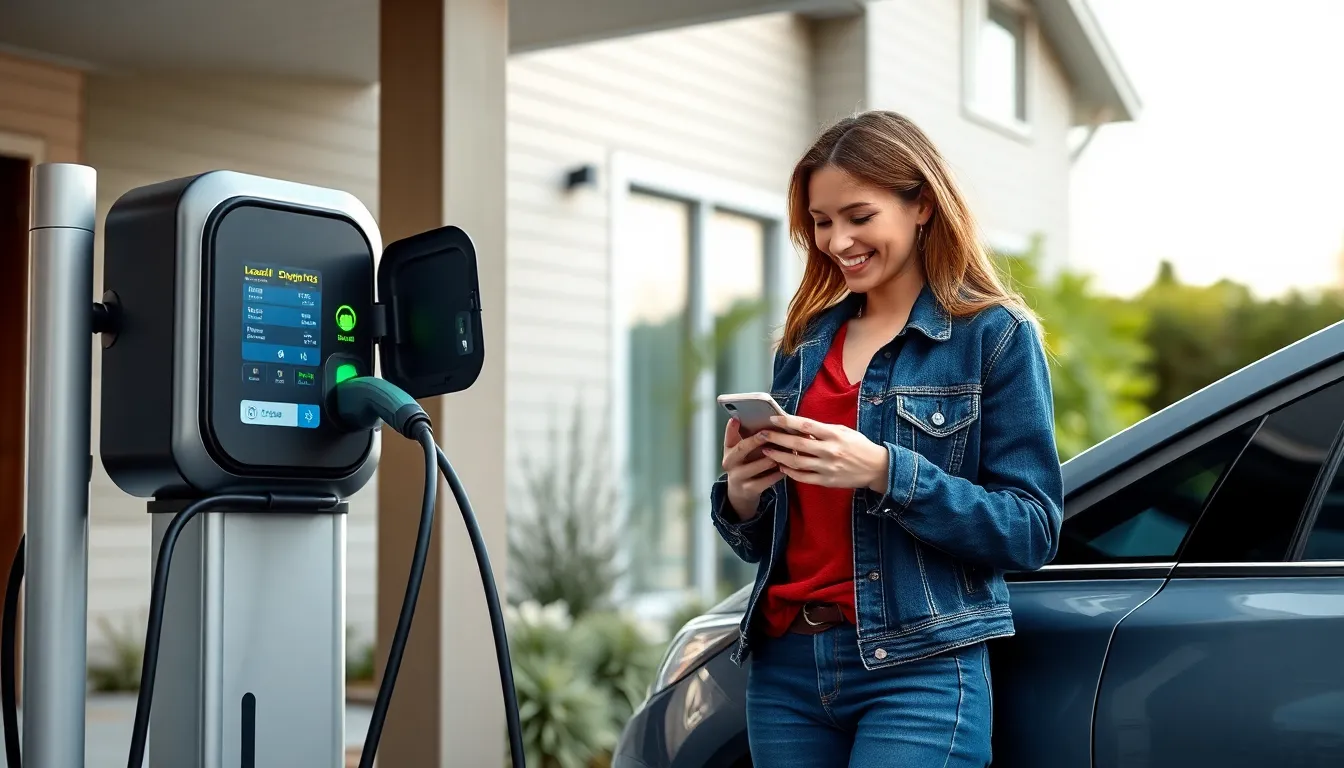
Smart charging solutions come in various levels, catering to different needs and environments. Understanding these types provides insight into optimizing electric vehicle charging.
Level 1 Charging
Level 1 charging utilizes a standard household outlet, typically 120 volts. This solution suits residential settings for overnight charging. It delivers around 4-5 miles of range per hour, making it ideal for those with limited daily driving distance. Users benefit from the convenience of using existing electrical infrastructure without any special equipment.
Level 2 Charging
Level 2 charging systems operate at 240 volts, offering faster charging capabilities. They commonly appear in public charging stations and residential installations. This type provides around 10-20 miles of range per hour, significantly reducing charging time. Level 2 chargers often include smart features such as scheduling and remote monitoring, enhancing user control and energy management.
DC Fast Charging
DC Fast Charging delivers high power directly to the vehicle’s battery, typically over 400 volts. This solution allows for rapid charging, with the ability to provide up to 80% of battery capacity in about 30 minutes. DC fast chargers play a crucial role in long-distance travel, enabling quick stops at charging stations along routes. They also support high-demand locations, allowing for multiple vehicle charging at once, thereby optimizing energy use and reducing wait times.
Benefits of Smart Charging Solutions
Smart charging solutions offer numerous advantages that contribute to a more efficient and sustainable energy ecosystem. These benefits span enhanced efficiency, cost savings, and a reduced environmental impact.
Enhanced Efficiency
Enhanced efficiency characterizes smart charging solutions through optimized energy management. They adjust charging times based on grid demand and energy availability, making real-time decisions to prioritize the use of clean energy sources. These systems also facilitate dynamic load management, which balances energy distribution across multiple vehicles and reduces strain on the grid. Consequently, drivers experience faster charging times and improved convenience.
Cost Savings
Cost savings manifest through reduced electricity expenses and optimal charging schedules. Smart charging solutions utilize time-of-use pricing data, allowing users to charge during off-peak hours when electricity rates drop. They may also integrate renewable energy, such as solar or wind power, further lowering costs. Additionally, these solutions can offer financial incentives for participating in demand response programs, enabling users to earn credits for reducing their energy consumption during peak demand periods.
Environmental Impact
Environmental impact decreases as smart charging solutions promote greater use of renewable energy sources. By optimizing charging times and reducing reliance on fossil fuels, these systems help lower greenhouse gas emissions. Transitioning to electric vehicles, supported by smart charging technology, leads to a cleaner transportation sector. Furthermore, encouraging renewable energy integration fosters a sustainable energy landscape that benefits both the planet and future generations.
Challenges Facing Smart Charging Solutions
Smart charging solutions face several significant challenges. Addressing these obstacles is crucial for maximizing the efficiency and effectiveness of electric vehicle charging systems.
Infrastructure Limitations
Infrastructure limitations hinder the widespread adoption of smart charging solutions. Many locations lack sufficient charging stations, particularly in rural areas, leading to range anxiety among potential electric vehicle users. Inadequate power supply and outdated grid systems exacerbate these issues, restricting the capacity to support simultaneous charging demands. Expanding charging infrastructure requires substantial investments from governments and private sectors to ensure accessibility and reliability across various regions.
Technological Barriers
Technological barriers also present challenges for smart charging solutions. Interoperability among different charging systems remains problematic, causing compatibility issues for users with diverse electric vehicle models. The integration of advanced features, such as vehicle-to-grid (V2G) technology, demands robust technological frameworks that many existing systems lack. Furthermore, cybersecurity concerns arise as smart charging solutions depend on data communication, which can expose sensitive information to potential threats. Overcoming these technological hurdles is necessary for creating a seamless user experience and ensuring the safety and integrity of charging networks.
Future Trends in Smart Charging Solutions
The future of smart charging solutions encompasses groundbreaking innovations and deeper integration with renewable energy sources. These advancements enhance the functionality and sustainability of electric vehicle charging systems.
Innovations in Charging Technology
Innovations in charging technology, including wireless charging and ultra-fast charging capabilities, transform user experiences. Wireless charging eliminates the need for physical connections, allowing vehicles to charge simply by parking over charging pads. Ultra-fast charging stations provide charging speeds exceeding 350 kW, enabling drivers to recharge their vehicles in less than 15 minutes. Additionally, vehicle-to-grid (V2G) technology allows EVs to feed energy back into the grid, providing incentives for owners while stabilizing energy demands. Smart charging applications also emerge, offering real-time data analytics and monitoring, giving users insights into their charging habits.
Integration with Renewable Energy Sources
Integration with renewable energy sources plays a pivotal role in enhancing the sustainability of smart charging solutions. Charging stations increasingly harness solar, wind, and other renewable energies, reducing reliance on fossil fuels. Smart energy management systems optimize charging times when renewable energy production peaks, such as during sunny afternoons or windy evenings. Furthermore, battery storage systems store excess energy generated during off-peak hours, ensuring a reliable energy supply even when renewable sources are not generating power. Such integration supports the transition towards a cleaner energy landscape, reducing carbon footprints associated with electric vehicle charging.
Smart charging solutions are revolutionizing the electric vehicle landscape by enhancing efficiency and promoting sustainability. As technology advances these systems are becoming increasingly vital for both consumers and businesses. The integration of renewable energy sources and innovative features ensures that charging becomes more convenient and cost-effective.
Overcoming the challenges associated with infrastructure and interoperability will be key to unlocking the full potential of smart charging. With future innovations on the horizon the path to a greener transportation ecosystem is clearer than ever. Embracing these solutions not only benefits individual users but also contributes significantly to a more sustainable energy future for all.